Heat waves in Lexington, MA arrive with a particular intensity. Old houses with single-pane windows and vintage radiators can trap heat like an oven. Newer homes with high-efficiency systems still strain under prolonged 90-plus degree stretches and humidity that refuses to drop overnight. For families, seniors, and businesses, an air conditioning breakdown during a heat wave is more than an inconvenience, it is a health and safety problem. Green Energy AC Heating & Plumbing Repair has built its approach around three simple imperatives: prevent avoidable failures, respond quickly when trouble happens, and restore comfortable, efficient cooling with lasting repairs. Below I describe how that plays out in practice, with examples, trade-offs, and guidance homeowners can use immediately.
Preparing Lexington homes before heat arrives
Preventative work removes most heat wave emergencies. We recommend scheduling a seasonal tune-up in spring, not because it is fashionable, but because inspection and maintenance catch the failure modes that typically show up in midsummer: low refrigerant, clogged condensate lines, weak capacitors, and dirt-clogged coils. During a tune-up technicians clean coils, check refrigerant pressures, measure amp draw on the compressor and fan motors, test capacitors and contactors, and clear the condensate drain. We document baseline numbers so when a customer calls in July saying, "My house won't cool," we can compare current pressures and amperage to the known-good values from spring.
One homeowner on Maple Street ignored a recommended spring tune-up, and in late July their compressor failed on a multi-day heat wave. The replacement unit required a 3 to 5 day lead time, and the family had to relocate two elderly relatives to an air-conditioned friend. The repair cost plus a rushed emergency replacement was significantly higher than a mid-season service would have been. That case illustrates an important trade-off: deferring maintenance can save money in the short https://greenenergymech.com/ac-repair-lexington-ma/ term, but raises the probability of failure when the stakes are highest.
Common preventative actions that actually reduce emergency calls include replacing filters regularly, ensuring clear airflow around outdoor condensers, and inspecting ductwork for disconnected joints and leaks. High-efficiency filters help protect coils, but if your air handler motor is undersized, a dense filter can reduce airflow and trigger freeze-ups. We often recommend MERV 8 to MERV 11 filters for most homes, and reserve higher-MERV media in systems designed for them. Balancing filtration with adequate airflow is a practical decision, not a marketing target.
When heat hits, triage and rapid response
During heat waves the volume of service calls goes up. That reality forces choices: dispatch the closest tech to a simple issue and delay a major repair, or prioritize critical calls like homes with infants, elderly residents, or medical needs. Green Energy AC Heating & Plumbing Repair uses a triage system that weighs three factors: occupant vulnerability, system failure mode, and estimated repair time. Occupant vulnerability is decisive. A single-family household with healthy adults and portable fans can wait longer than a residence with an infant or oxygen-dependent person.
Response times vary with call volume and parts availability. For many local calls we can often provide same-day service, or at minimum arrive within 24 to 48 hours, though extreme heat waves push those windows longer. If a system needs a compressor or specific coil that is not stocked locally, we present options: overnight parts procurement and scheduled replacement, or temporary cooling solutions while ordering long-lead items. Clear communication about timelines and costs reduces stress for customers, and we train technicians to explain trade-offs transparently.
A repair example: a storefront in Lexington Center lost cooling on a weekend. The business had customers and employees suffering in the heat. The technician diagnosed a failed capacitor and a clogged condensate pan that had triggered a safety shutoff. The parts were standard, the repair took under two hours, and the store reopened before lunch. That sort of quick fix contrasts with larger failures where the compressor is shot and the business must decide whether to install a used compressor as a stopgap or commit to a full replacement.
Techniques and technologies we use in the field

Diagnostics matter. When an AC fails, guessing wastes time and parts. Our technicians carry digital manifold sets, amp clamps, refrigerant scales, and infrared thermometers so they can measure accurately on first visit. We record superheat and subcooling values, which tell us if a system is low on refrigerant or suffering a restriction. We check for voltage drops at the compressor and condenser fan, and use blower door-style thinking when investigating ducts. Small voltage drops can mean motor strain, which shortens component life.
For systems beyond a basic repair, we offer options. A homeowner may want the lowest-cost fix that restores cooling, or prefer an investment in efficiency and reliability. Replacing an aging R-22 system with a modern R-410A or R-454B unit lowers operating costs and avoids future refrigerant scarcity. However, full-system replacements are costly and may require permit work and duct modifications. Where appropriate we propose staged upgrades: replace the compressor and outdoor unit now to restore cooling, then plan a future indoor coil and thermostat upgrade when budget allows.
We also recommend smart thermostats in many cases. Smart controls improve comfort and reduce runtime when used correctly, but they do not mask a failing system. A thermostat that cycles the compressor rapidly likely points to poor refrigerant charge or airflow issues. We pair smart thermostat installs with a performance check so the automation has reliable hardware to control.
Short-term fixes you can use immediately (quick checklist)
- replace or straighten a clogged filter, and ensure return vents are open clear debris from the outdoor unit and trim plantings to allow airflow reset the breaker and check the thermostat batteries run ceiling fans to improve perceived comfort while cooling recovers consider a portable AC or window unit for temporary relief in an occupied room
Cooling that lasts: repair quality and parts decisions
Not all repairs are created equal. A crimped copper line, an improperly brazed joint, or a swapped capacitor with the wrong microfarad rating invite repeat service calls. During heat waves, the temptation to “just get it running” can lead to short-term fixes that cause long-term headaches. Our technicians balance urgency and durability. For example, if a system is days away from receiving a warranted compressor, but a short-term part swap can keep it running in the interim, we document the temporary nature and replace it properly when the parts arrive. That transparency avoids surprises on the final invoice.
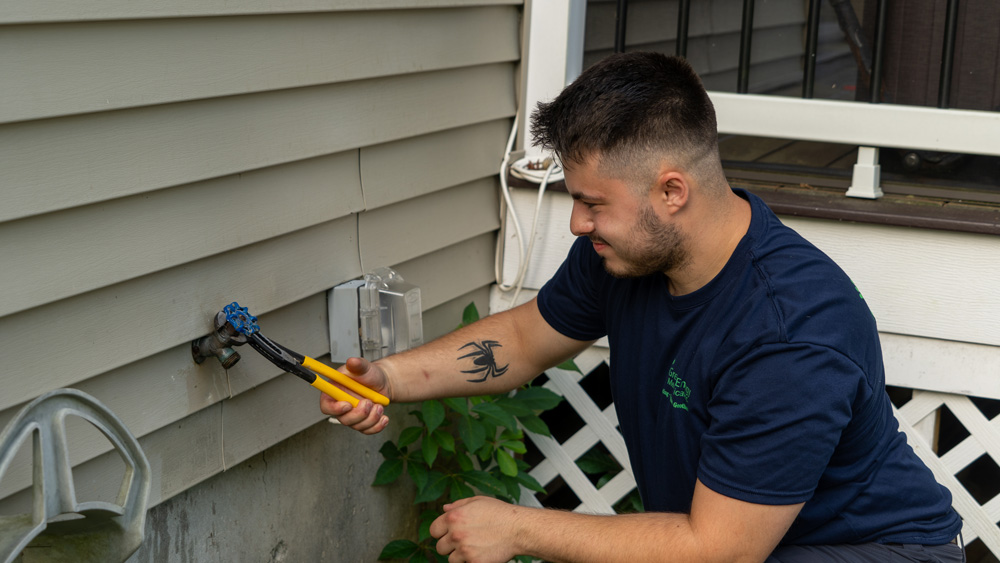
Warranty and parts sourcing become more important under strain. Manufacturers sometimes limit warranty coverage if non-OEM parts are used. We discuss warranty implications before substituting components. In older systems, staying OEM might be impossible because the original parts are discontinued. In those cases we recommend matching performance specifications — voltage, microfarads for capacitors, and compressor displacement — and testing thoroughly under load.
Ductwork and airflow: often the hidden culprit
Airflow problems masquerade as refrigerant failures more often than homeowners realize. Low airflow leads to low evaporator temperatures that look like refrigerant shortage. We use airflow meters, static pressure gauges, and hand-held thermometers to evaluate duct runs. Long duct runs in unfinished attics, high returns with multiple obstructions, or undersized supply registers can all reduce effective cooling capacity. When we find duct problems, the solution is rarely glamorous, but it is effective: sealing leaks with mastic, repairing disconnected ducts, adding return paths, and sometimes enlarging or replacing dampers.
A client in a 1980s colonial home thought the compressor had failed because the upstairs never cooled. After measuring, we found return ducts choked by old insulation and a collapsed flexible run. We sealed and replaced the damaged section and rebalanced the system. The house cooled, energy bills dropped, and the homeowner avoided a major equipment replacement.
Managing expectations on costs during peak demand
Pricing during heat waves is sensitive. Parts surge in price when demand spikes, and emergency callouts require overtime pay. We present customers with options and approximate cost ranges rather than fixed numbers until diagnostics are complete. For straightforward repairs, a capacitor or contactor replacement might range from about $100 to $400, depending on labor and part quality. Compressor replacements for mid-sized systems commonly range higher, perhaps a few thousand dollars including refrigerant and labor, but costs vary with system size, accessibility, and whether indoor components require matching.
Some customers ask for a low-cost bid before we inspect. We provide educated estimates, but emphasize that until we run diagnostics we cannot guarantee price. The trade-off is clear: a rushed estimate might understate necessary work, while a detailed diagnosis takes time and may have a diagnostic fee that is credited to the final repair.
Cooling in multi-family and commercial buildings
Heat waves stress communal systems differently. A single rooftop unit serving a small office queue requires different logistics than multiple split systems in apartments. Our commercial work focuses on redundancy and prioritization. For multifamily buildings, we advise property managers to maintain spare parts inventory for common failures and to schedule off-peak maintenance to reduce resident disruption. During heat waves we stage technicians to address the worst units first and coordinate with property managers for access.
One small apartment building had three units on a shared rooftop unit. The compressor failed on a Friday evening. Knowing the building already had an aged second compressor in storage made the difference. We installed the spare as a temporary solution that weekend, ordered a new OEM compressor for the following week, and replaced it with a proper installation once the part arrived. That approach minimized tenant displacement while ensuring the final repair met warranty standards.
Safety, refrigerant handling, and code compliance

Refrigerant handling requires training and proper equipment. Recovering refrigerant and charging systems must follow EPA rules and local code. We always disclose refrigerant type and explain whether the system uses R-410A, R-454B, or an older R-22. If a system is low on refrigerant, we diagnose for leaks rather than simply adding charge. Adding refrigerant to mask a leak is both wasteful and noncompliant. Leak detection can involve ultraviolet dye, electronic leak detectors, or pressure decay tests, depending on the system and the suspected failure location.
We also consider electrical safety. Low-voltage transformer issues, tripped breakers, and undersized wiring can appear as intermittent failures during sustained high-load periods. During heat waves, some homes see increased demand across multiple circuits, and overloaded panels can trip more frequently. When electrical faults are present, we coordinate with licensed electricians for panel upgrades or repairs, and we explain when that is necessary versus when a simple breaker replacement is sufficient.
Practical homeowner decisions during a heat wave
Making good choices during a heat wave often reduces the need for an emergency call. Keep blinds and curtains closed on sunny exposures, run bathroom and kitchen ventilation to remove humid heat from showers and cooking, and use exhaust fans during high-humidity days. If you have a programmable or smart thermostat, set reasonable setbacks overnight only when the system can reliably recover humidity and temperature before peak afternoon hours. Avoid cranking the setpoint lower and lower, longer runtimes do not cool the house faster and may cause unnecessary wear.
If an AC repair is needed, gather useful information before the technician arrives: the brand and model number of indoor and outdoor units, the thermostat model, error codes displayed, and a clear description of when the problem started. Pictures of the outdoor unit and the nameplate details help us bring likely parts and reduce back-and-forth trips. These actions save time and sometimes money during a busy service window.
Why local expertise in Lexington matters
Lexington's housing stock mixes colonial-era homes, mid-century construction, and modern energy-efficient houses. Microclimates driven by elevation and tree cover can mean that cooling needs differ block by block. Local knowledge helps in making sensible recommendations. For example, older colonials may benefit more from targeted duct and envelope work than a full HVAC replacement. Newer homes with mini-split systems require technicians who know both the refrigerant architecture and the controls.
Green Energy AC Heating & Plumbing Repair invests in training, diagnostic equipment, and local parts relationships so we can act efficiently when heat hits. We maintain a practical inventory of frequently used parts, and we work with regional suppliers for expedited deliveries when a replacement part is not immediately available.
A final word on value and trust
Facing a heat wave, homeowners want one thing most: reliable, quick cooling that won’t fail again. That requires technical skill, honest communication, and a willingness to state trade-offs plainly. A cheap quick-fix that fails again within days or voids a warranty costs more in stress and money than a thoughtful repair that restores durable performance. Our approach places equal weight on rapid response and long-term reliability, with every recommendation grounded in measurable diagnostics and clear choices.
If your home needs attention before the next heat wave, a spring tune-up and a few simple steps now can reduce the chances of a breakdown when the temperature spikes. If a failure happens during a heat event, prioritize safety, document symptoms, and ask your service provider how they will balance immediate relief with lasting repair. Green Energy AC Heating & Plumbing Repair aims to be that local partner, ready to help Lexington residents keep their homes safe and comfortable through the hottest days.
Green Energy AC Heating & Plumbing Repair
76 Bedford St STE 12, Lexington, MA 02420
+1 (781) 896-7092
[email protected]
Website: https://greenenergymech.com